

Padang Bai
Best to check first for the Gili Islands and Lombok. It also has the public ferry to Lembar.
Best for: Gili Trawangan · Gili Air · Lombok fast boats · LembarHow to travel between Bali, Lombok, the Gili Islands and Nusa Penida — ports, boats, schedules and ticket options explained simply.
Choose where you are leaving from, where you are going and your travel date.
For Bali, Lombok and Nusa Penida, check the exact port before booking.
Fares and schedules change by date and operator. Search the exact route before paying.
Choose the route closest to your trip, then compare the port, time and ticket.
Use this short list to compare the route before opening the full guide.
Fast-boat fares change by operator, port and travel date. USD prices shown here are approximate booking examples.
The right port depends on your destination and where you are staying. These are the three main Bali departure points to compare.
Best to check first for the Gili Islands and Lombok. It also has the public ferry to Lembar.
Best for: Gili Trawangan · Gili Air · Lombok fast boats · LembarMain Bali port for Nusa Penida and Nusa Lembongan.
Best for: Nusa Penida · Nusa Lembongan · selected Gili servicesUseful for selected Gili and Lombok fast boats, especially from south Bali.
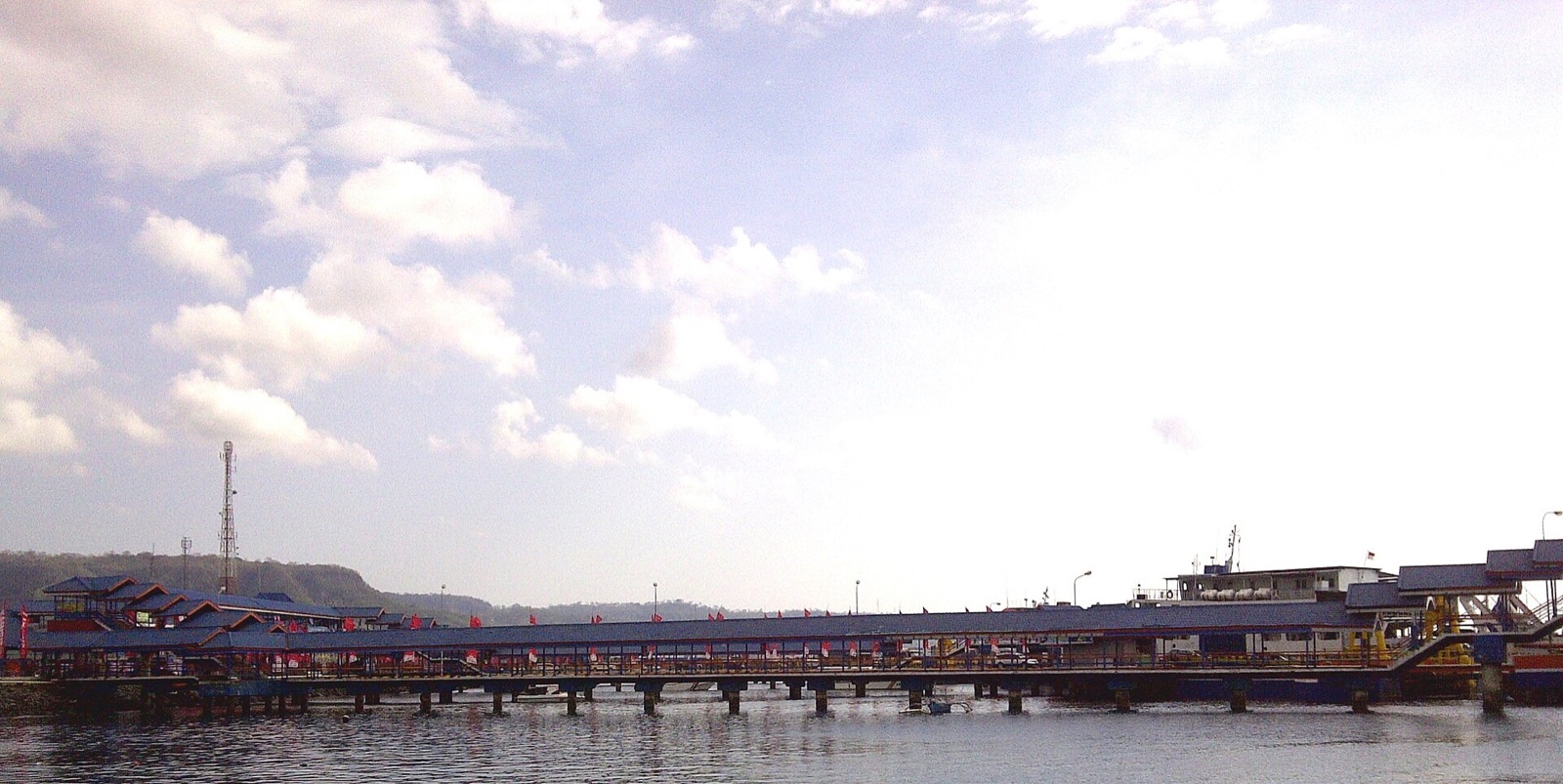
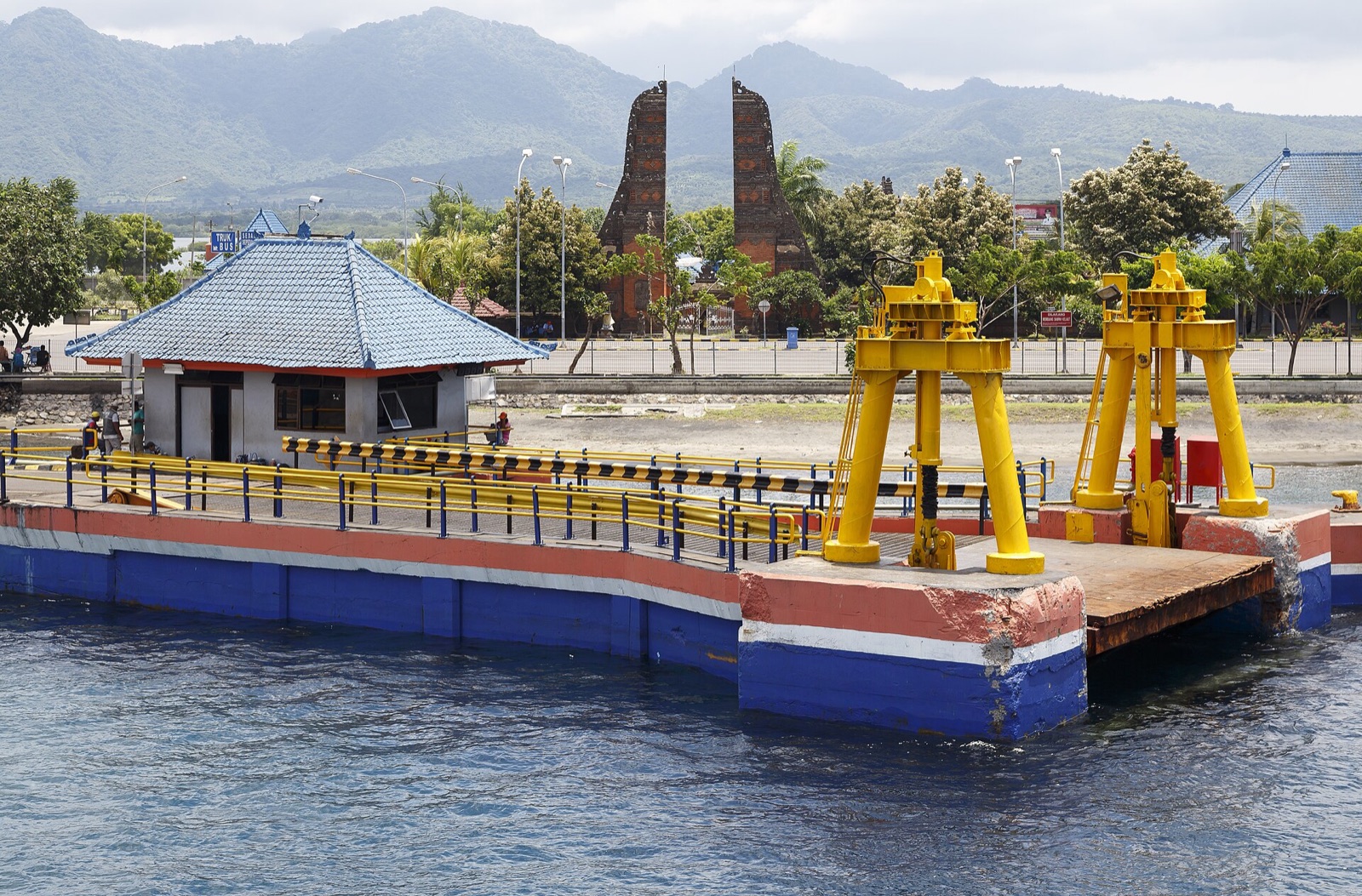
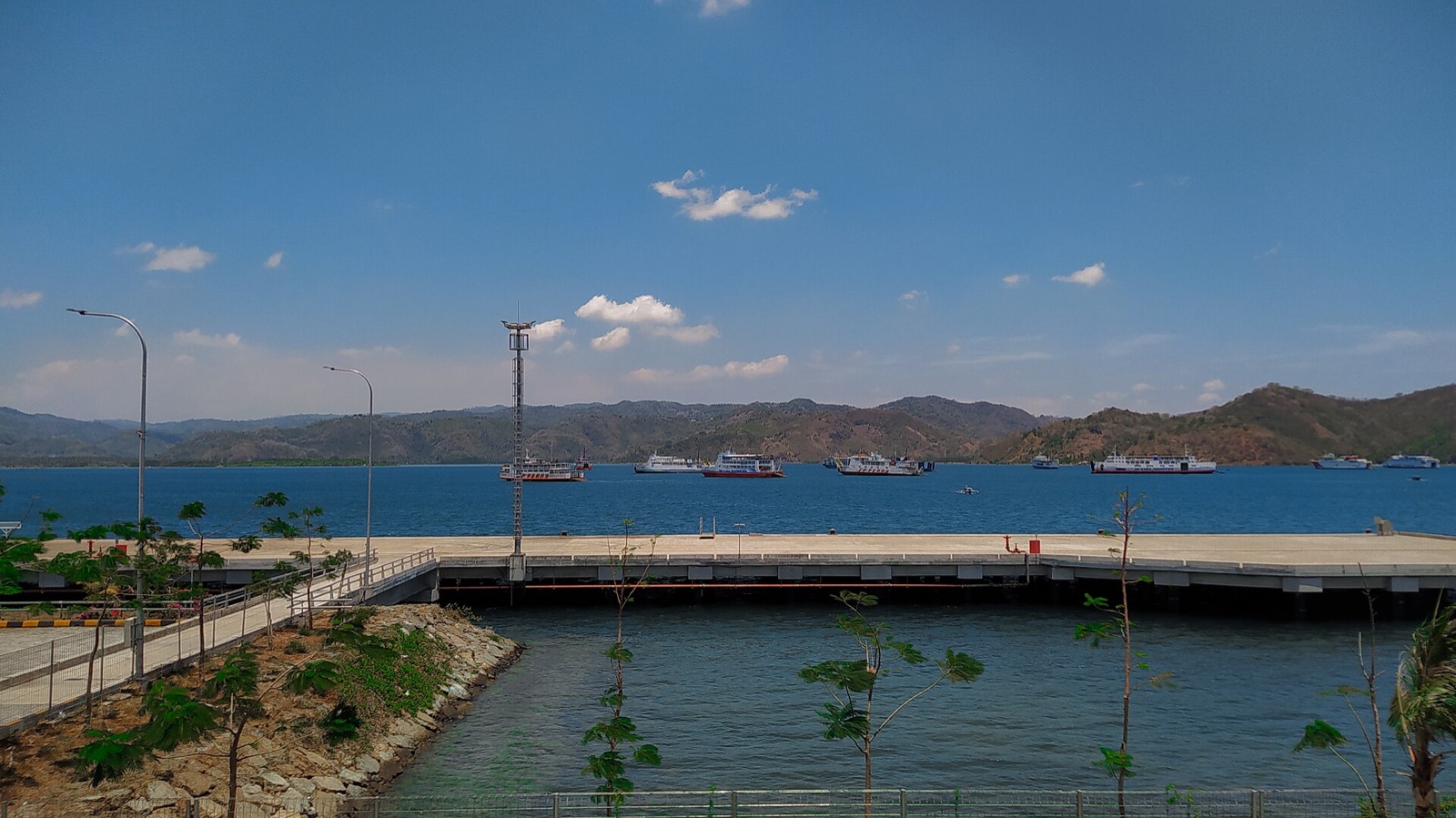
Best for: south Bali stays · selected Gili routes · selected Lombok routesPadang Bai is the first port to compare for most travelers because many boats have a shorter sea crossing. From south Bali, also compare Serangan because the road transfer can be shorter.
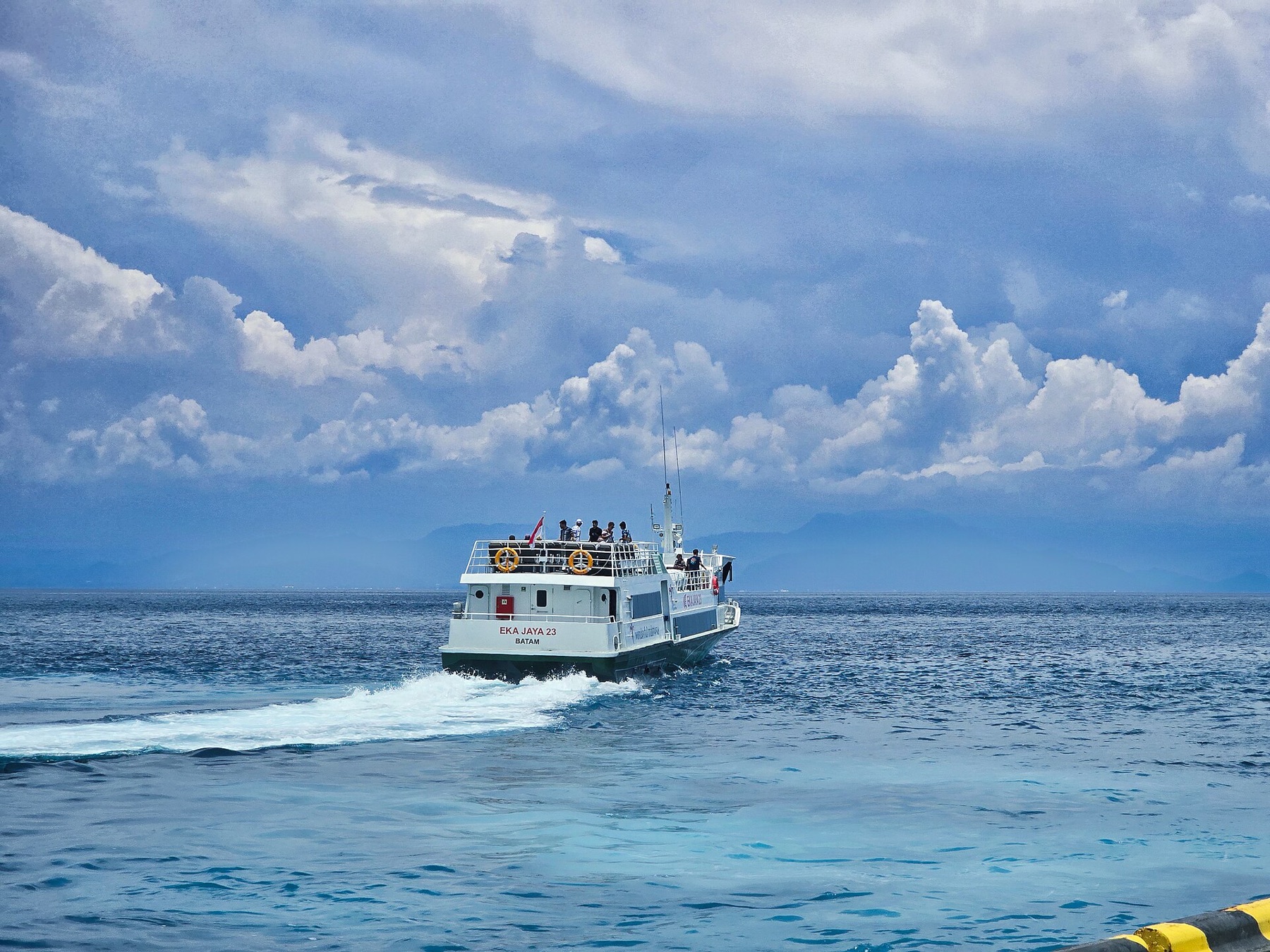
Main operators: Ekajaya, Gili Gili, Wahana Virendra, BlueWater and Wijaya Perkasa. Current booking examples range roughly from US$10–25+ depending on port, operator and transfer.
Check Bali → Gili ticketsSanur is the main Bali port for Nusa Penida. Check whether the boat arrives at Banjar Nyuh, Buyuk or Sampalan before choosing by price.
Current booking examples: many Sanur products are roughly US$5–9+.
Check Sanur → Penida ticketsUse a fast boat for Bangsal, Senggigi or the Gili Islands. Use the public ferry to Lembar if you are taking a car or scooter.
Best for Bangsal, Senggigi and Gili connections.
About 2–2½ hours · roughly US$12–25+Padang Bai → Lembar. Best for vehicles, southwest Lombok and lower-cost foot crossings.
Use the ASDP / Ferizy system.Direct boats are available, so you usually do not need to return to Bali first. Stop patterns can change the total trip time.
Current booking examples are roughly US$15–25+ depending on the exact pier and product.
Check Penida → Gili ticketsChoose your Bali arrival port based on where you are staying next. Padang Bai is useful for east and central Bali; Serangan can be easier for south Bali.
Many current examples are roughly US$10–25+; premium products can exceed US$40.
Check Gili → Bali ticketsBangsal is the main mainland port for shared boats to the Gili Islands. Teluk Nare is often used for private or hotel-arranged speedboats.
Shared, public or scheduled boats. Usually cheaper.
Roughly US$4–8+Private or pre-arranged boats. More flexible.
Private products can be around US$36 per boat.A booking label can hide a different port, harbour or island stop. Read the exact place name before paying.
A ticket saying “Bali” may still leave from Padang Bai, Sanur or Serangan.
Check whether the ticket says Banjar Nyuh, Buyuk or Sampalan.
Bangsal, Senggigi and Lembar are different arrival points.
Gili Trawangan, Gili Air and Gili Meno are separate stops.
Some booking pages distinguish Sanur Harbour, Sanur Port or Sanur Beach. Read the exact departure point.
These are the port names most likely to change your road transfer or final arrival.
Map links are verified Google Maps searches for the named port or terminal. Exact counters, boarding gates and temporary meeting points remain operator-specific, so keep the ticket confirmation available.
Indonesia has several ferry systems. A Bali–Gili fast boat, a public vehicle ferry and a long-distance passenger ship are different products, even when a booking page calls all of them “ferries”.
Compare Serangan for south Bali and Padang Bai for central Bali. Its published schedule notes 30-minute last check-in, 10–20 minute stopovers and a required Bangsal clearance call on some Gili-to-Bali itineraries.
Schedule and port guidance ↗Its published fleet includes aluminium vessels listed at 180, 210 and 260 passenger capacities with air-conditioning systems. The boat assigned, stops and luggage process can still vary by departure.
Published vessel details ↗Its Deluxe boats list air-conditioned cabins, bathrooms, covered seating and GPS tracking. The smaller Bullet is open-cockpit and does not have the Deluxe cabin or bathroom, so check the actual vessel.
Facilities ↗ Fleet ↗Maruti, Angel Billabong and other local fast-boat products should be compared by departure counter, arrival pier, return time and luggage conditions. “Nusa Penida” is not a precise pier name.
Confirm the named landing point before arranging a driver.ASDP operates public passenger and vehicle ferries, including Padang Bai–Lembar. This is the practical category for eligible motorcycles, cars and slower island crossings—not a tourist fast boat to the Gilis.
Padang Bai port page ↗PELNI is for longer domestic inter-island journeys. Published room labels can include 1A, 1B, 2A and 2B, but vessel, sailing, baggage and embarkation details must be checked on the reservation.
Passenger FAQ ↗ Reservation information ↗For Singapore–Riau Islands travel, the terminal is as important as the operator. Compare HarbourFront or Tanah Merah with Batam Centre, Sekupang, Nongsapura or Bintan for the address after arrival.
BatamFast schedule ↗ Sindo contacts ↗ Majestic contacts ↗The table compares products, not a universal ranking. Facilities, assigned vessels, fares and availability are route- and date-specific.
Two tickets for the same island pair can be different products. Confirm the road leg, exact port, final arrival and the cost of getting to and from the water.
The fare covers the sea crossing. Arrange your own hotel-to-port and onward transfer.
Check terminal, check-in and arrival harbour.A road transfer comes before the boat. Confirm pickup zone, address and luggage handling.
Do not assume hotel pickup is included.The boat is followed by a road transfer to the final drop-off.
Check the final destination, not just the island name.Often used around Bangsal and Teluk Nare. Confirm whether the price is per passenger or per boat.
Private products can cost more than shared boats.Road transfer, check-in, sea crossing and the trip after landing all belong in the plan. These are planning patterns, not guaranteed durations.
Compare a ferry-only fare with a shared pickup and with a private road transfer. A higher fare can be useful when it removes a separate early-morning connection.
A shorter crossing does not automatically make a shorter day if the road leg or stop sequence is longer.
Penida roads can make a transfer feel longer than the map suggests. Arrange the return departure around the actual pier.
This is not a direct fast-boat connection to the Gili Islands. Add the Lembar-to-final-destination transfer before comparing totals.
Verify the last onward boat before booking a late flight or late airport transfer; the airport is not close to Bangsal.
Singapore is one hour ahead of Batam. Read each timetable in its local time context and leave a terminal buffer.
Reference examples below separate the boat fare from transfers and other charges. They are dated snapshots or operator-specific examples, not live quotes.
Currency conversions are rounded planning references, not a payment quote. IDR and SGD amounts should be rechecked against the linked operator, ASDP/Ferizy or marketplace result on the travel date.
“Fast boat”, “Deluxe” and “economy” describe different systems. The actual vessel and ticket determine seating, facilities, luggage handling and boarding access.
Usually enclosed passenger seating, possible air-conditioning, luggage storage and toilets where available. Some offer an outdoor deck; all are exposed to sea conditions and may call at several islands.
Premium is operator-specific. A smaller boat may offer cushioned seating, an air-conditioned cabin or a particular transfer product, but the label does not guarantee more space or a smoother crossing.
Eka Jaya’s published vessels are examples of larger aluminium fast ferries with listed capacities of 180–260 passengers and air-conditioning systems. Assigned boats and stops still vary.
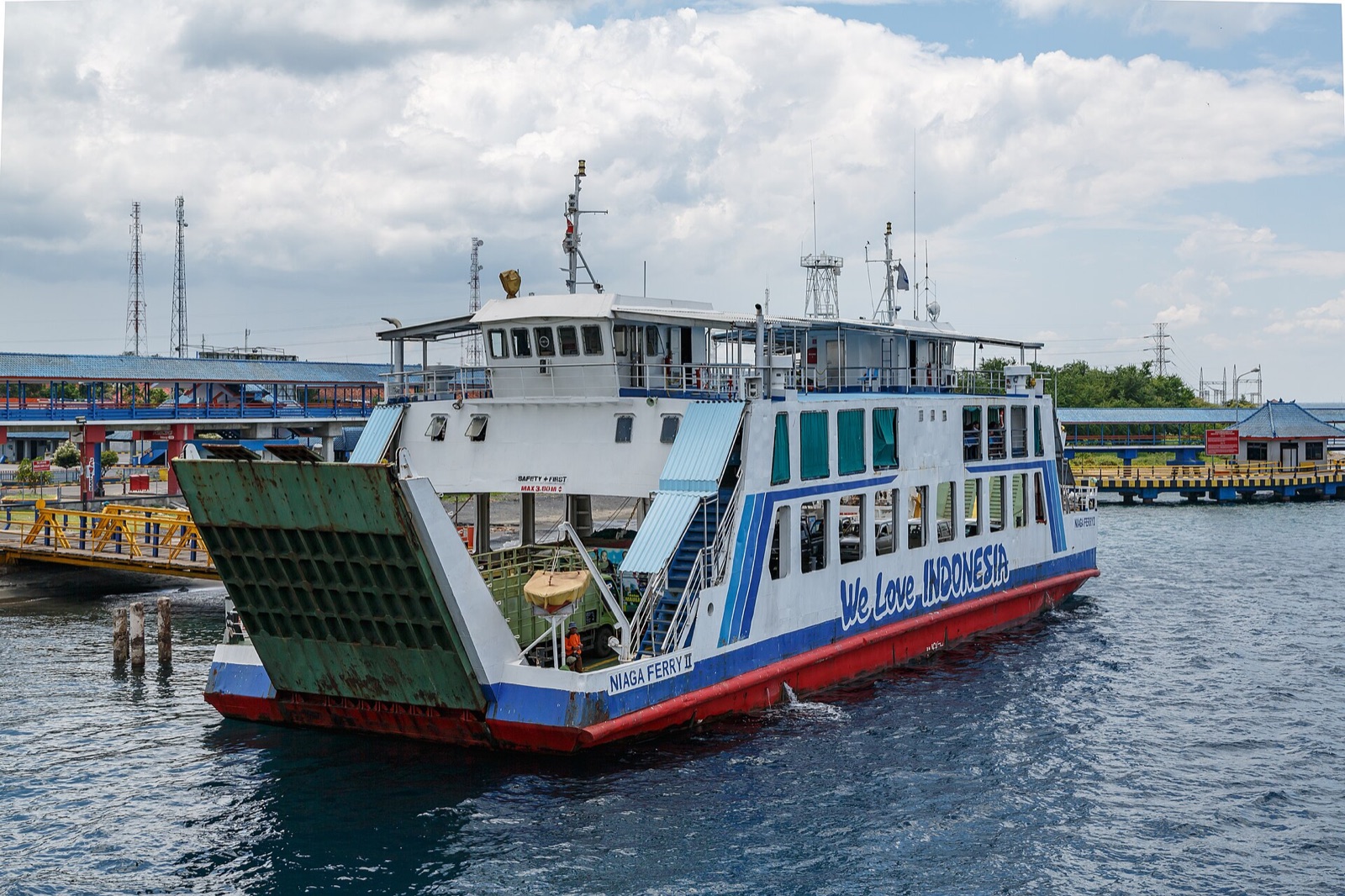
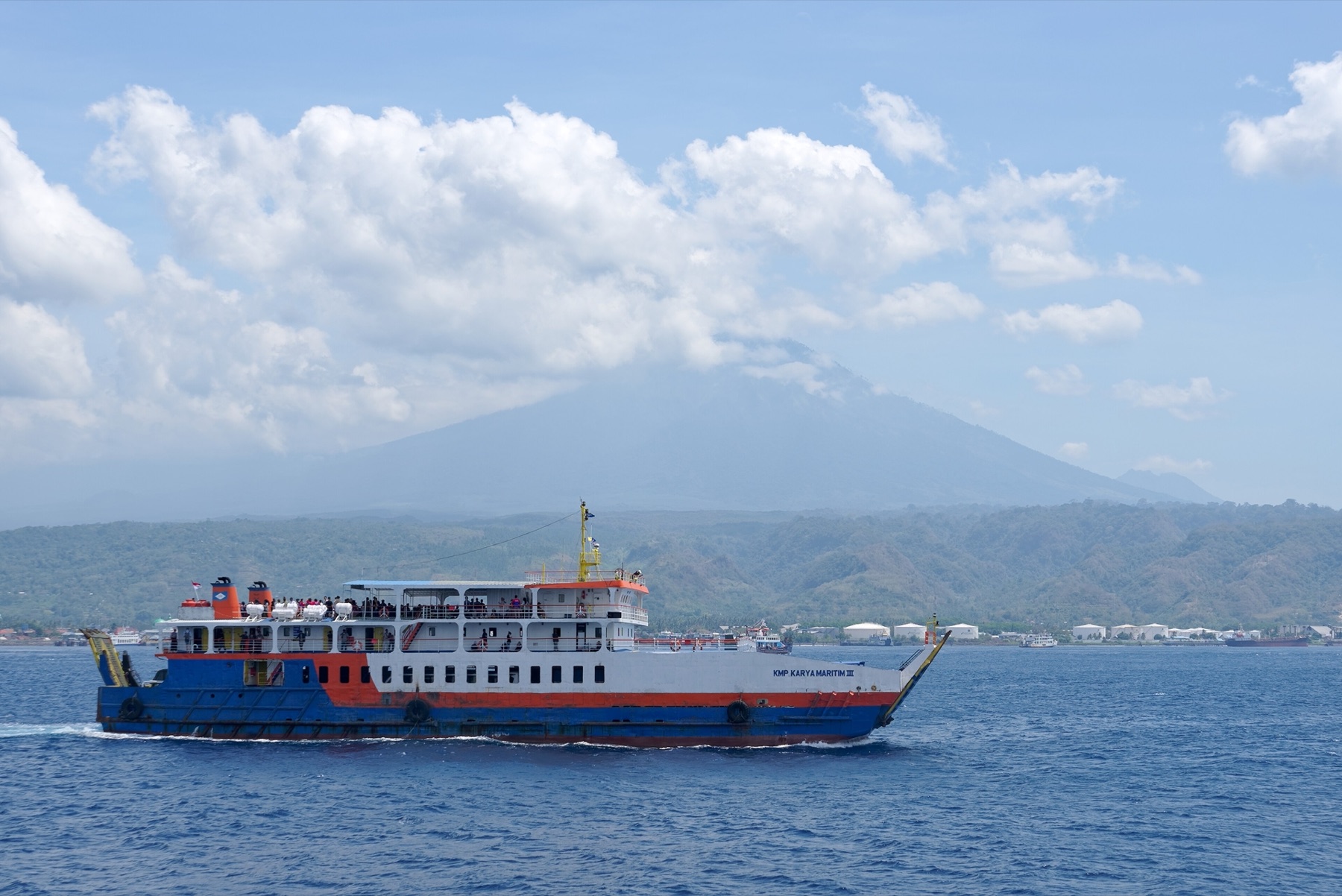
ASDP RO-RO ferries carry eligible foot passengers, motorcycles, cars and larger vehicles by category. Expect a more basic public-ferry environment and a longer journey than a tourist speedboat.
Long-distance PELNI economy products can involve shared sleeping accommodation on a large passenger ship. They are not the same product as a day-trip fast boat.
Published room configurations can list 1A for 2 adults, 1B for 4, 2A for 6 and 2B for 8. Capacity and availability are vessel-specific; confirm the reservation before assuming privacy.
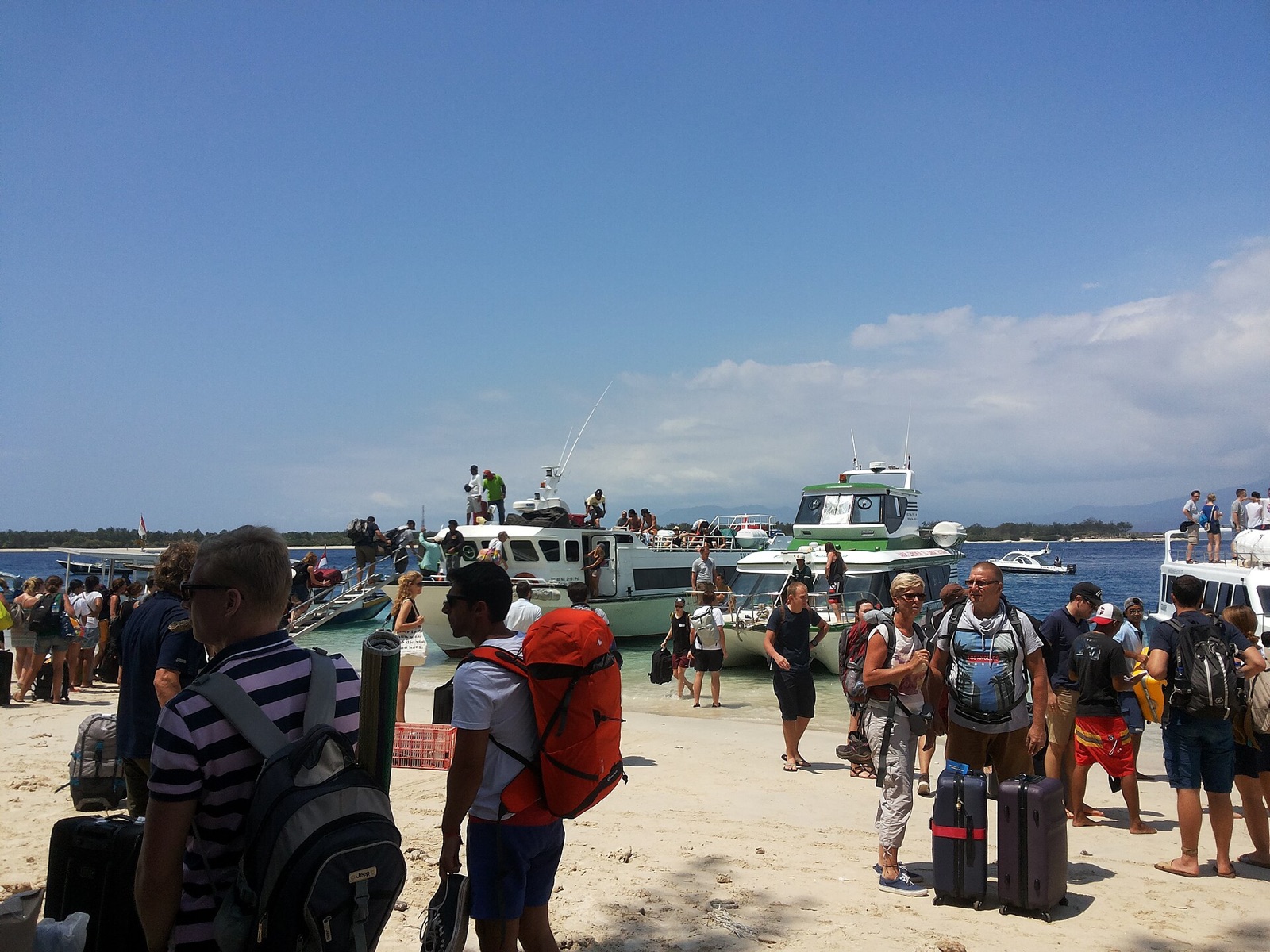
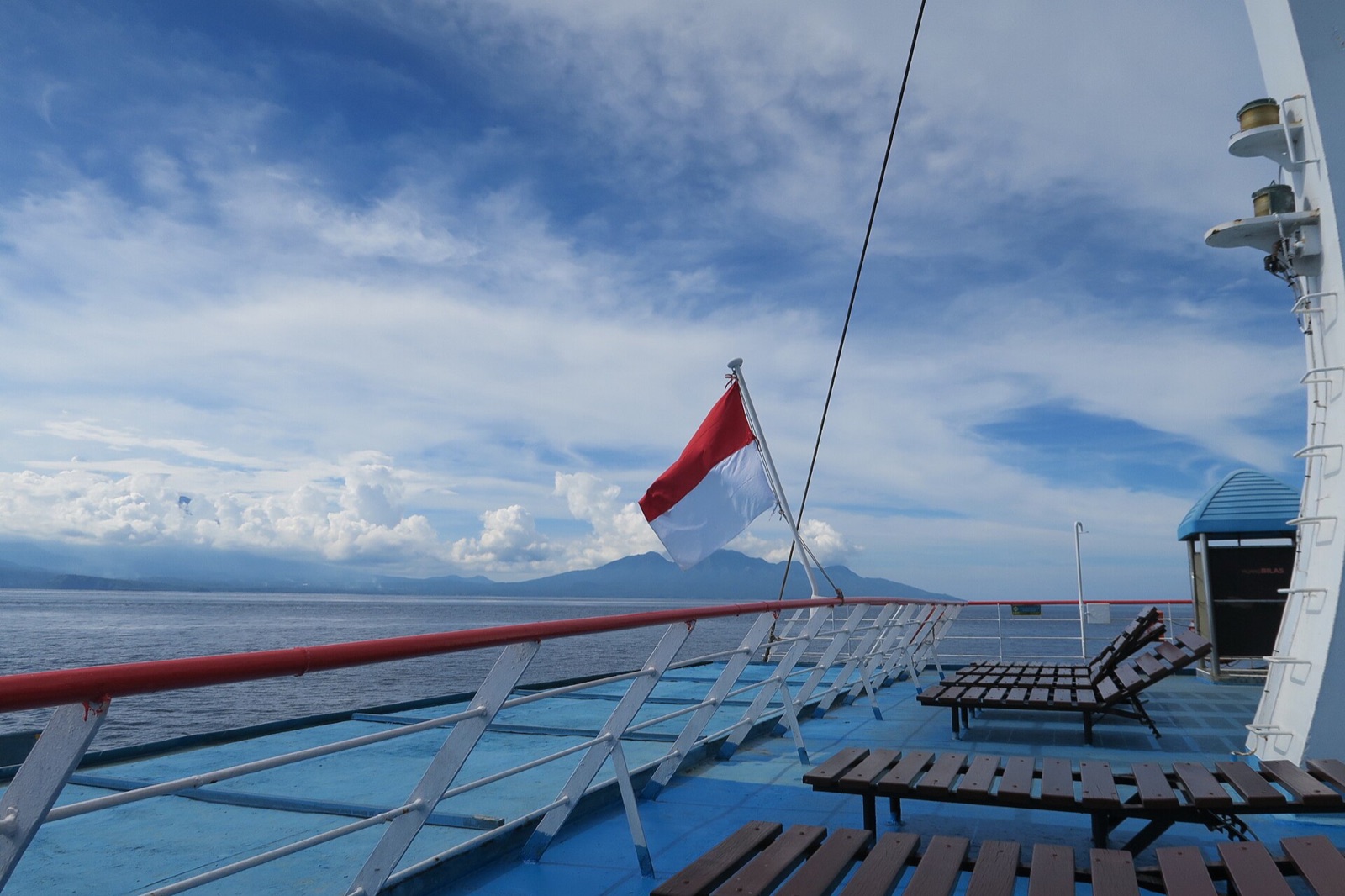
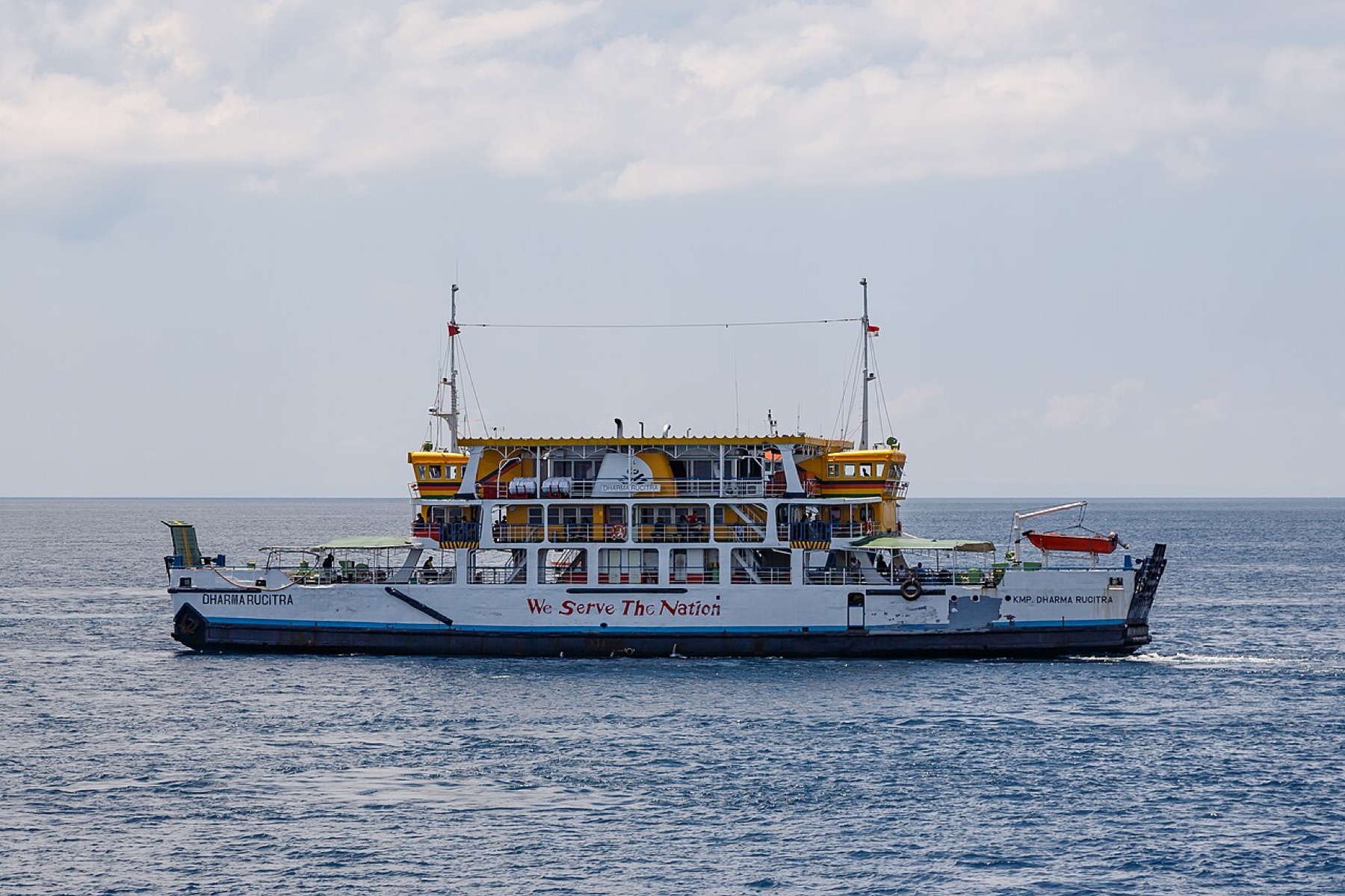
Photos show representative ferry categories from the site’s licensed image set; they are not claims that every operator uses the same cabin, deck or toilet layout.
Public RO-RO ferries are the vehicle-capable system. They are different from tourist fast boats and usually arrive at different ports.
Use this corridor for cars, motorcycles and foot passengers heading to southwest Lombok.
The main public Java–Bali crossing for Banyuwangi, Ijen and overland journeys.
Choose the public system when you have a vehicle, want the public-ferry category or do not need to land directly at a Gili harbour. Lembar still needs an onward road transfer.
Choose PELNI for longer domestic routes between major islands and coastal cities. Check the ship, embarkation terminal, accommodation class, baggage conditions and meals before travel.
For current vehicle classes, fares, queues and sailing notices, check the official ASDP / Ferizy system. For long-distance passenger-ship reservations, use the PELNI reservation information.
Indonesia also has regular international ferries from Singapore and Malaysia, especially to Batam, Bintan and Karimun.
HarbourFront and Tanah Merah are different Singapore departures; Batam Centre, Sekupang and Nongsapura serve different parts of Batam. A cheaper ticket can create a longer land transfer after immigration. Terminal instructions have changed during 2026, so use the current address from BatamFast, Sindo or Majestic rather than an old travel post.
Time-zone reminder: Singapore is one hour ahead of Batam. Read departure and arrival times in the local time zone shown by the operator, then leave time for passport control at both ends.
International ferry passengers pass through the relevant immigration and terminal process. Check terminal instructions and passport requirements for your sailing.
A few additional routes help make the guide useful beyond the core Bali–Gili loop.
Compare the final island stop rather than assuming every Gili ticket lands at Trawangan.
Current broad examples are around 1h45–2h15 and roughly US$17–23+ depending on service.
Indonesia has a much larger public-ferry network connecting Java, Sumatra, Lombok, Sumbawa, Flores and other islands. This page focuses on the routes most foreign travelers use. For vehicle and public-ferry crossings, use official ASDP/Ferizy information where available.
Wind and waves can delay, restrict or cancel a crossing. A scheduled time is a plan, not a guarantee.
The cheapest result is useful only when the port, baggage rule and arrival point work for your day.
Lembar and Bangsal are not interchangeable on Lombok; Serangan and Padang Bai can create different road legs on Bali; Batam Centre and Sekupang can change the taxi after arrival. On Nusa Penida, even two piers on the same island can mean a different driver and hotel transfer.
Add the hotel-to-port road leg, check-in, intermediate stops, port clearance and the transfer after landing. A longer sea crossing from a nearby southern port can be a better day than a short crossing reached through heavy traffic.
Ask the operator about weight, tags, surfboards, strollers, stairs and beach or pier boarding. Confirm assistance directly for the named vessel and terminal; do not infer accessibility from a “Deluxe” label.
Keep the booking confirmation and operator contact available, leave a buffer before flights, and check the fare’s own change or refund terms. Weather and operational decisions can move a sailing; separate tickets do not automatically protect the connection.
Short answers grouped by the decision you are trying to make.
Padang Bai is the first port to compare for most travelers. If you stay in south Bali, also compare Serangan because the road transfer can be shorter.
Padang Bai can reduce sea time; Serangan can reduce the road leg from south Bali. Compare the full journey.
Start with Sanur. Then check whether the sailing arrives at Banjar Nyuh, Buyuk or Sampalan.
Bangsal is a north-Lombok and Gili gateway. Lembar is the southwest Lombok public-ferry port.
Yes. Direct products exist, although stop sequence and duration vary.
Current examples are roughly US$10–25+ depending on operator, port and transfer type.
Port, date, demand, stop pattern, baggage and transfer inclusion can all change the fare.
Not automatically. Transfers may be add-ons, one-address products or zone-specific services.
Usually a road transfer before the boat. Check pickup area, timing and luggage handling.
Age bands vary by operator and booking interface. Enter the actual passenger ages.
Operator examples range from about 30 minutes to 60 minutes. Use your confirmation.
Examples range from 20kg to 25kg, with different rules by operator and fare.
Some operators allow it for an additional fee. Confirm before paying.
Bring the document used for the booking and keep the confirmation accessible.
Follow the operator confirmation. A phone copy may be accepted, but keep an offline copy.
Yes. Authorities or operators can delay, restrict or cancel sailings in poor sea conditions.
Check the operator's rebooking or refund terms; there is no single rule for every boat.
No. Road transfers, check-in, stops, unloading and sea conditions can extend the day.
Leave a large buffer or travel the day before. A same-day connection is exposed to sea and road delays.
Services can pause around Nyepi. Check the specific year's operator notice.
Use the vehicle-capable public ferry corridor and the applicable ASDP/Ferizy vehicle class.
Yes, on the appropriate public vehicle ferry; confirm the vehicle class and booking process.
Ferizy is the ASDP booking ecosystem for major public ferry crossings and vehicle classes.
Use the public Ketapang ↔ Gilimanuk crossing for Banyuwangi, Ijen and overland journeys.
Operating patterns and queues vary by corridor and date. Check ASDP/Ferizy for the current notice.
Yes. Regular international services connect Singapore with Batam, Bintan and Karimun.
Many services take around 50 minutes, depending on terminal and sailing.
Yes. Many current services take about 1h10m.
Yes. Johor → Batam services are available; check the terminal and operator for your date.
Yes. Allow time for passport control and terminal procedures at both ends.
Search ferries between Bali, the Gili Islands, Lombok, Nusa Penida and Nusa Lembongan.